Freeze Prevention

The Joule-Thomson Effect, What is it?

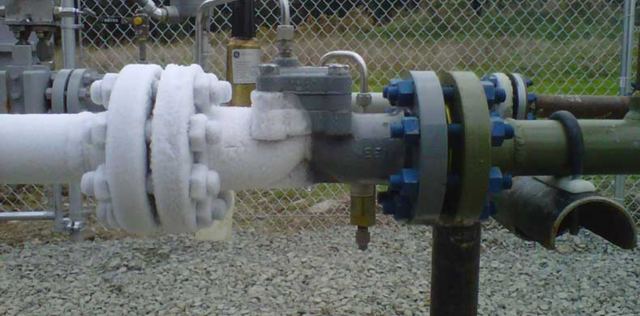
The oil and gas industry moves huge amounts of fuel around the U.S. in more than 2.6 million miles of pipelines. Disrupting these movements with frozen valves results in costly scenarios for operators. How do these frozen valves occur? There are various situations where a control valve can freeze over, but one of the most common ones is due to…

Read More »
Catalytic Heaters

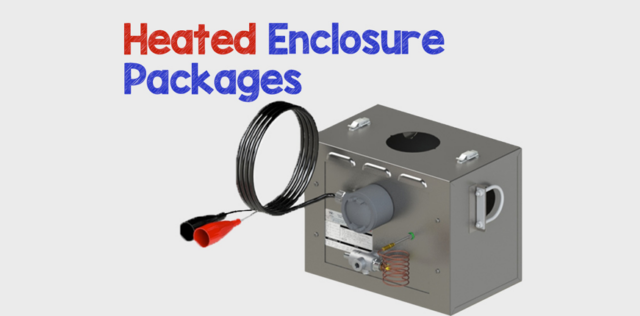
What Are Heated Enclosure Packages?

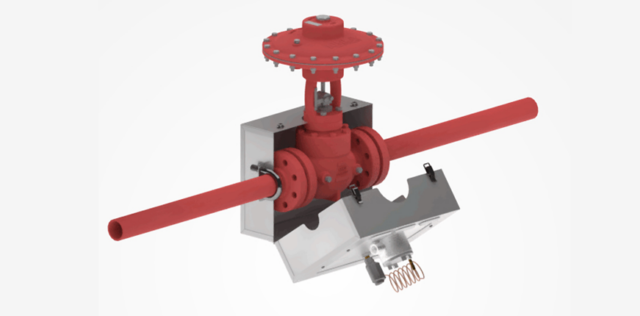
Heated enclosure packages are the most efficient form of freeze-prevention in the market. This is because they are built to directly heat a valve or regulator in order to prevent freezing. Catco has developed a wide range of heated enclosure packages that are used throughout the oil and gas industry.

Read More »
Catalytic Heaters

Catalytic Heaters in Agriculture: What’s The Benefit?

Catalytic heaters provide several benefits to the agriculture industry – all related to a specific need for safety and economy when viewed in the context of animal comfort, poor insulation of farm buildings, and the presence of dirt, dust and flammable materials. 

Read More »
Catalytic Heaters

How do Catalytic Heaters Work?

Catalytic heaters are flameless heat sources resulting from the catalyzed chemical reactions that occur while breaking down molecules to produce heat, making them ideal for use in many hazardous environments. Hazardous environments of all kinds cannot risk flames. However, when the catalyst, oxygen, and fuel – such as natural gas or propane – combine, they ignite at low-enough temperatures (below 900°F) that they produce a completely flameless heat.

Read More »
Catco History

Catco History: From Seed to Success.

Catco has demonstrated throughout its history a philosophy of valuing straightforwardness and simplicity in a business. 

Catco founder Bill Richards
The business was once merely the seed of an idea: the pressing need for durable catalytic heaters that would be delivered as promptly as customers expected.

Founder Bill Richards saw the gap in the market when colleagues complained to him about problems with their catalytic heaters.

Read More »
Industry Insights

2021 Trends in The Oil and Gas Industry.

Trends in the oil and gas industry are important to note in 2021. This is because an industry-wide shift is occurring – largely the result of a few key trends. Changes in technology have contributed to much of that development, but there are several other factors at play. These include changes within the workforce and a move to greater use of robotics. 

Read More »
General

Hazardous Area Classification in Oil and Gas.

What Is a Hazardous Location? A hazardous location is an area where there is a risk of an explosion due to the presence of an explosive mixture/atmosphere. For example, common elements that make these areas hazardous include ignitable concentrations of flammable gases, vapors, combustible dust, or ignitable fibers. 

Read More »
General

IoT (Internet of Things) Integration in Oil and Gas.

In as little as four years, the market for the IoT (Internet of Things) in oil and gas worldwide is set to reach $39.40 billion. The oil and gas industry has readily adopted IoT because of the large range of technological challenges organizations face in downstream, midstream, and upstream markets. Here are just a few of those challenges: 

Read More »
Freeze Prevention

Prevent Frozen Production and Increase Productivity with Catalytic Heaters.

In the oil and gas industry, often, your equipment is subject to harsh conditions. That can mean extremely cold temperatures, or areas of high pressure, or places with poor gas quality. Many sites don’t have permanent power supplies, which limits heating solutions to unsafe, impractical, or expensive options. 

But you need to protect valves and regulators from freezing to avoid shutdowns and keep productivity high.

Read More »