Heater Not Working? Check These 3 Common Issues First
When a heater stops working, it is easy to assume the heater itself has failed.
But with catalytic heaters, that is not always the case.
Many heater problems come from the setup around the heater, not the heater itself. Before replacing parts or calling the unit bad, start with the three most common areas:
- Fuel and gas supply
- Power and startup
- Catalyst and airflow
If one of these areas is off, the heater may not start correctly, may not stay operating, or may not perform the way it should.
1. Fuel and Gas Supply Issues
Fuel supply is one of the first areas to check when a catalytic heater is not performing.
A heater needs the right fuel, at the right pressure, with a clean path to the catalyst.
Common fuel issues include:
- Wrong fuel pressure
- Poor fuel quality
- Blocked fuel line or orifice
- Wrong fuel type
- Altered or incorrect orifice
Catco natural gas heaters are designed for 4.5 inches of water column.
Catco liquefied petroleum gas heaters are designed for 11 inches of water column.
Pressure should be checked while gas is flowing, not just dead-headed. A dead-headed pressure reading may not show what is happening when the heater actually needs fuel flow.
Fuel quality also matters. Dirty, wet, or sulfur-contaminated fuel gas can weaken heater performance and shorten heater life. Air, liquid, debris, or an obstructed orifice can also stop gas from reaching the catalyst properly.
The heater must also match the fuel type listed on the label. Natural gas and liquefied petroleum gas are not the same setup, and the orifice should not be altered or removed.
Simple takeaway
The heater can only perform if it gets the gas it was designed to use.
2. Power and Startup Issues
A catalytic heater needs the correct startup process before it can operate properly.
During startup, the heater uses a heating element to preheat the catalyst. If the heater is not receiving the correct voltage or amperage, it may fail to preheat correctly.
Common power and startup issues include:
- Incorrect voltage
- Not enough amperage
- Loose or damaged terminal connection
- Damaged heating element
- Incorrect wiring setup on larger heaters
- Not preheating long enough
- Turning off electrical power too soon
The heater label is important. Always verify that the power source matches the voltage listed on the heater. Voltage should also be checked under load because a heater may appear to have power until it actually begins drawing current.
The catalyst also needs time to preheat before gas flow starts. In many cases, startup instructions call for about 15 minutes of preheat. In extremely cold conditions, additional time may be needed.
After gas flow begins, electrical power should not be turned off too soon. Power should continue until the catalytic reaction is established. Under normal conditions, that can take about 5 to 10 minutes after gas flow begins.
Simple takeaway
If the heater will not preheat or stay operating, do not skip the power and startup check.
3. Catalyst and Airflow Issues
The heater face is not just a cover. It is part of how the heater works.
The catalyst helps create heat. If the catalyst is wet, dirty, damaged, or contaminated, the heater may not operate correctly.
A catalytic heater also needs air to support the catalytic reaction. If air cannot get in, or exhaust cannot get out, the heater may shut down or fail to stay operating.
Common catalyst and airflow issues include:
- Water or liquid contamination on the catalyst pad
- Sulfur contamination
- Oil, residue, debris, or foreign material on the heater face
- Damaged or torn catalytic pad
- Blocked ventilation
- Ice buildup around enclosure ventilation
- Poor installation
- Water exposure or pressure washing damage
Water can prevent gas from reaching the catalyst properly. Steam or vapor coming from the heater may be a sign that the pad material is wet.
Sulfur is especially harmful to catalytic heaters and can damage the catalyst over time. Oil, residue, debris, or foreign material can also affect how gas flows across the heater face.
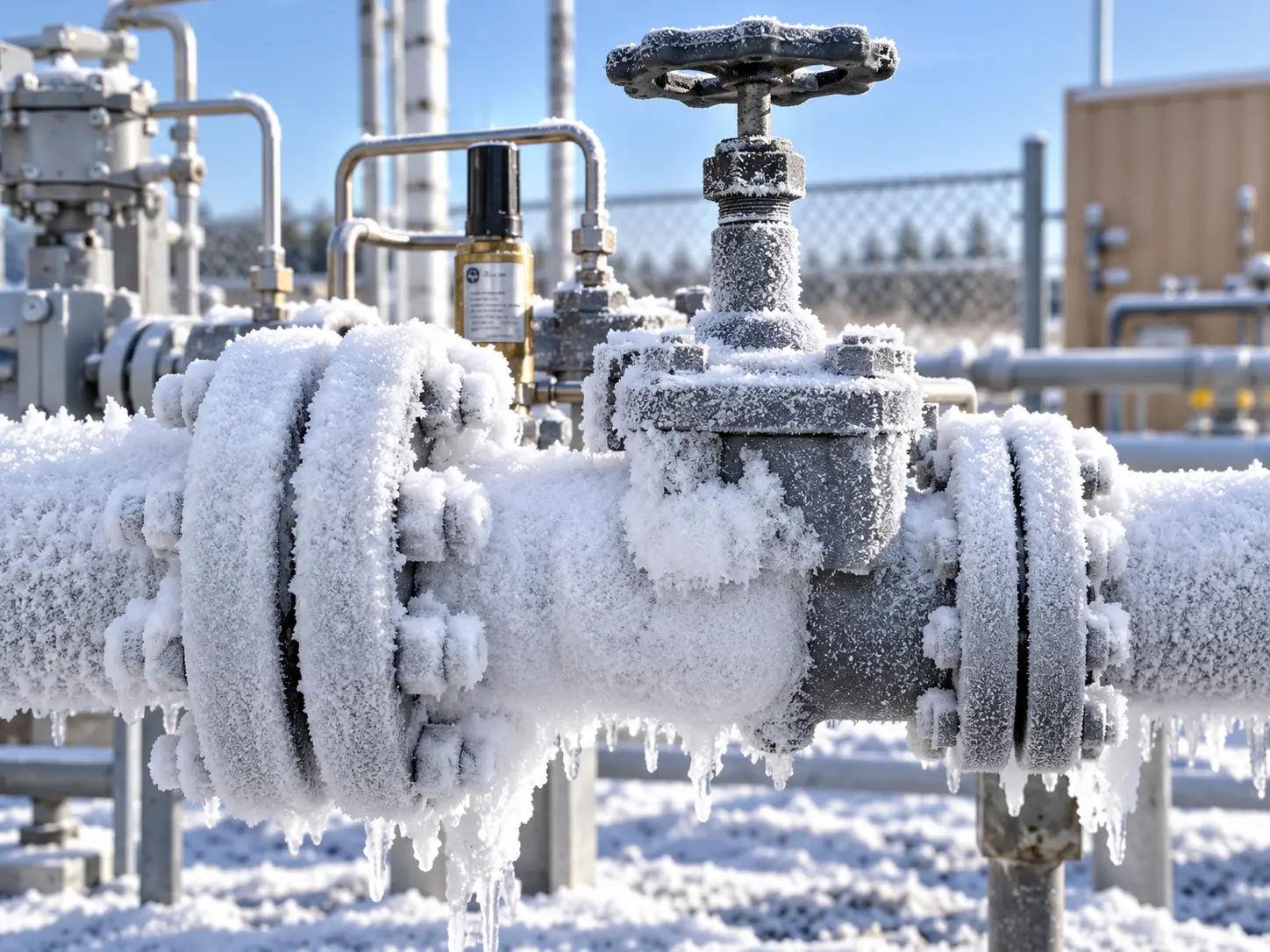
Blocked vents, covered openings, ice, debris, or poor installation can reduce airflow. In cold weather, ice can build up around enclosure ventilation holes and block the air the heater needs.
Simple takeaway
Keep the heater face clean, dry, protected, and able to breathe.