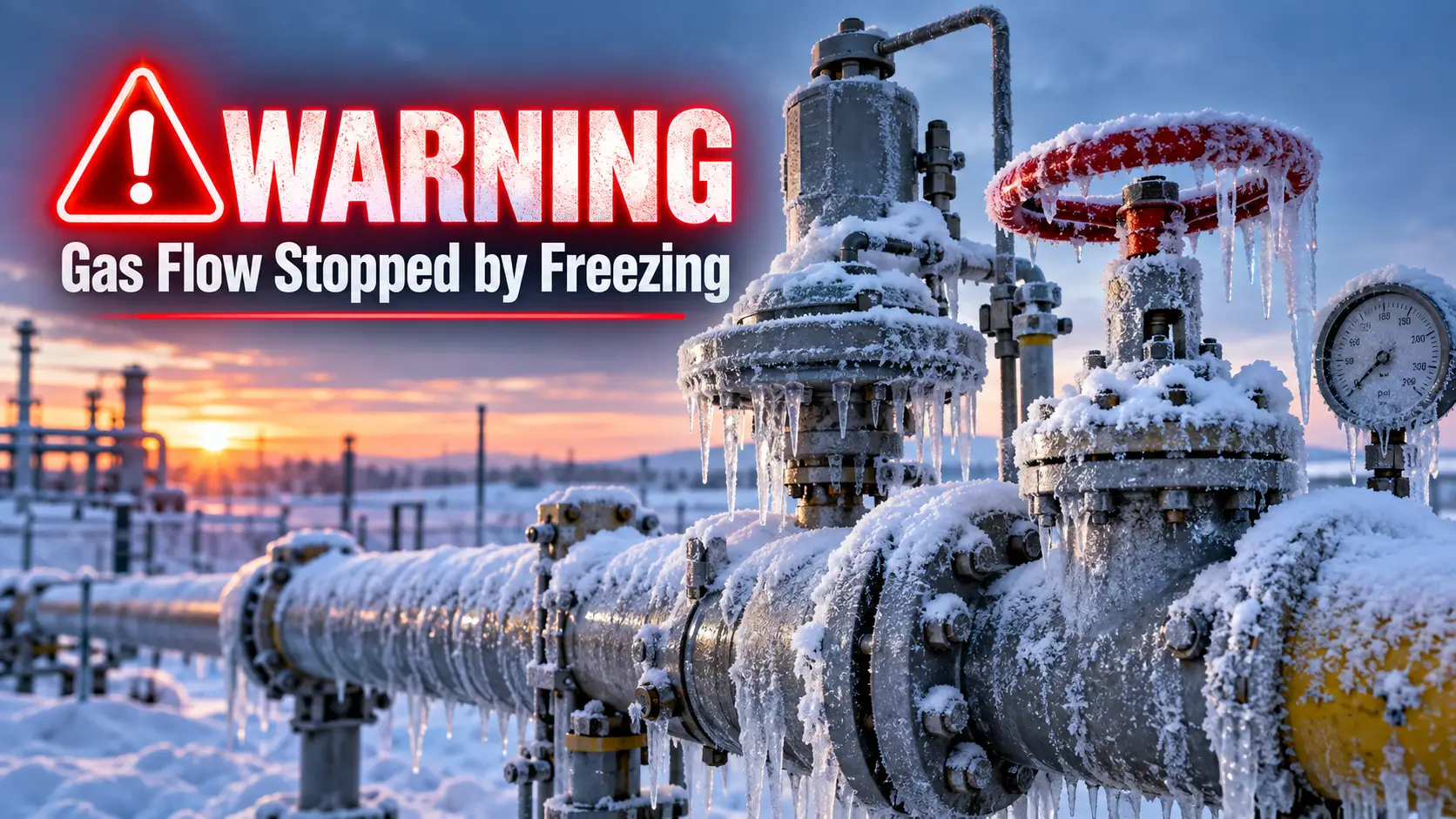

Winterization for Gas Systems: What It Really Means
Winterization for gas systems is often misunderstood. Many people assume it simply means adding heat when temperatures drop. At CATCO, winterization means something more important — being proactive instead of reactive.
Cold weather doesn’t create system problems. It exposes weaknesses that already exist. Proper winterization for gas systems focuses on preparation, maintenance, and planning before freezing conditions arrive, not scrambling during a storm.
🎥 Watch: Winterization for Gas Systems Explained
Winterization isn’t just about installing a product — it’s about understanding how your system behaves in cold conditions. In the video below, we explain what winterization for gas systems really means and how to prepare equipment before winter causes failures.
CATCO explains winterization for gas systems and why proactive planning matters.
Why Winterization for Gas Systems Starts Before the First Freeze
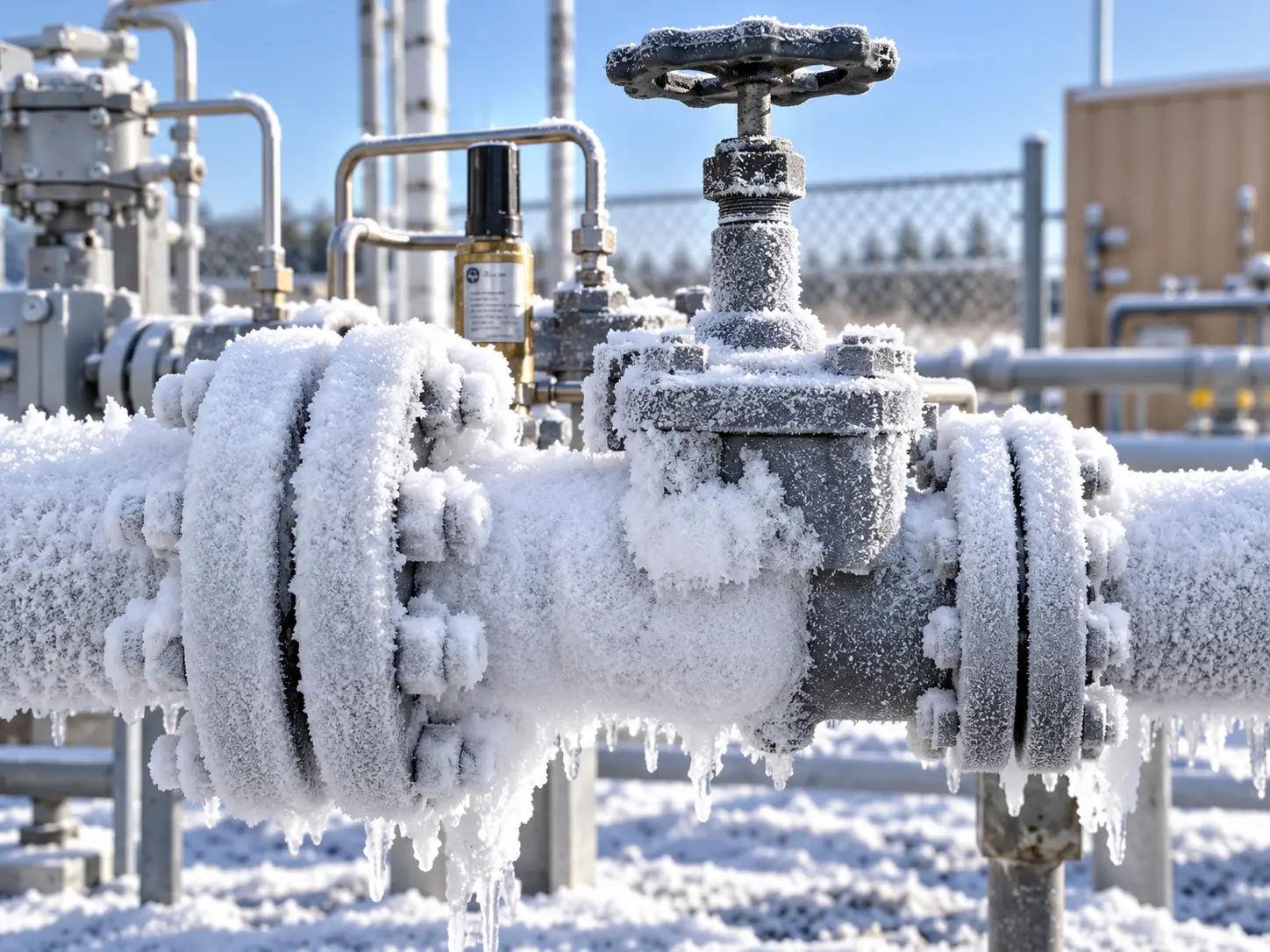
True winterization for gas systems begins long before the first freeze. When equipment freezes, the issue usually isn’t the temperature — it’s lack of preparation.
Proactive winterization may include:
-
Installing catalytic heaters or instrument gas heaters (IGHs)
-
Protecting exposed components with enclosures
-
Verifying proper gas pressure
-
Inspecting and maintaining existing heating equipment
Systems that are prepared ahead of time experience less downtime, fewer emergency repairs, and faster restarts during extreme cold.
The Three Winterization Categories for Gas Systems
Every operation falls into one of three winterization readiness categories. Knowing where your system stands helps determine what actions are needed.
Category 1: New to Winterization for Gas Systems
This category includes systems with little to no freeze protection.
Common signs:
-
No heaters installed
-
No enclosures protecting regulators or valves
-
Limited understanding of winterization options
What to do:
Start by identifying exposed components and reviewing available heating and enclosure solutions. CATCO helps customers evaluate their systems and recommend the right approach — including custom enclosures when standard options don’t fit.
Category 2: Heating Installed, Maintenance Overdue
Some systems already have heating solutions in place but haven’t been maintained properly.
Common issues include:
-
Discoloration on heater faces
-
Debris blocking airflow
-
Loose fittings or gas leaks
-
Incorrect gas pressure
What to do:
Inspect heaters, clean debris, check fittings, and confirm proper gas pressure. If heaters no longer perform as expected, replacement may be more effective than repair.
Category 3: Fully Winterized and Actively Maintained Systems
These systems already have proper winterization in place and are maintained consistently.
Best practices include:
-
Routine walk-through inspections
-
Keeping heater faces clear
-
Securing fittings and connections
-
Maintaining proper gas pressure year-round
Consistent maintenance is what keeps winterization for gas systems effective over time.
Why CATCO Focuses on Proactive Winterization
According to the National Weather Service, extreme cold events increase the risk of equipment failure when systems are not properly winterized.
At CATCO, we focus on proactive winterization for gas systems because preparation:
-
Reduces unplanned downtime
-
Prevents emergency replacements
-
Keeps gas flowing during critical cold events
Waiting until a freeze hits is already too late.
Ready to Review Your Winterization Plan?
If you’re unsure where your system falls within the winterization categories, CATCO can help evaluate your setup and recommend solutions that fit your application.
Contact CATCO today to discuss winterization for gas systems before winter forces a shutdown.