
Winterization Failures in Gas Systems: How Cold, Pressure Drops, and Reactive Planning Cause Downtime
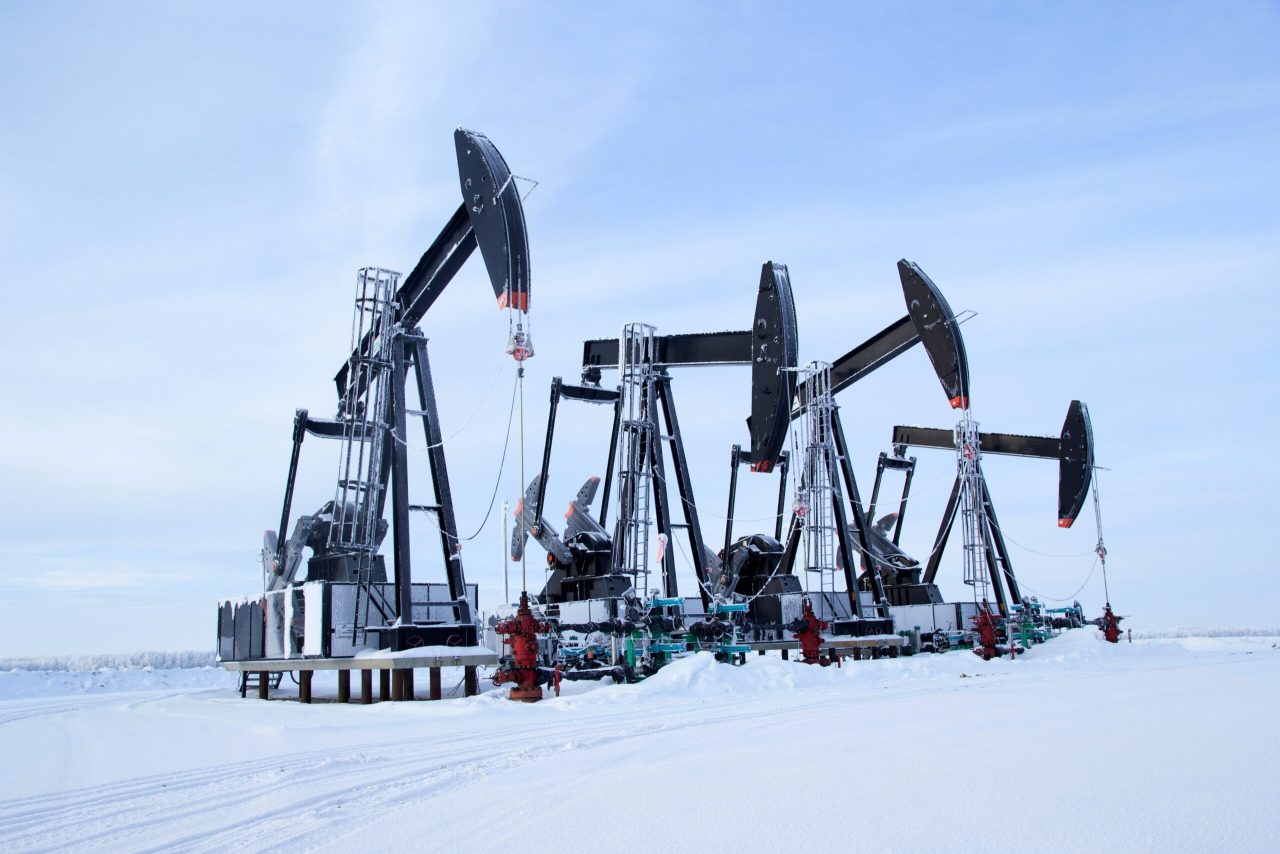
New Year, New Freeze Risks: How Cold Weather Fails Systems in Different Ways
As the New Year begins, cold weather continues to test gas systems across production, transmission, and distribution. Freeze-related failures don’t happen the same way for everyone—and that’s what makes winterization so challenging.
Some systems fail from exposure. Others fail internally from pressure drops. And many fail not because of the cold itself, but because action comes too late. Understanding these different failure paths is the first step toward a more reliable winter strategy.
Failure Type 1: Environmental Cold Exposure
For some operations, failure starts with the environment.
Extended cold, wind exposure, and rapid temperature swings pull heat away from equipment faster than the system can recover. Metal components contract, seals stiffen, and unprotected parts begin to lose efficiency long before visible ice appears.
These failures are often subtle at first. Equipment may still be operating, but not at optimal conditions. Over time, reduced performance turns into instability or shutdowns.
How this failure shows up:
-
Reduced flow rates
-
Sluggish valve or regulator response
-
Intermittent operation during cold snaps
Failure Type 2: Pressure Drop & the Joule-Thomson Effect
Other failures originate inside the system itself.
When gas passes through a regulator, the pressure drop causes a rapid temperature decrease—a phenomenon known as the Joule-Thomson effect. In cold conditions, this drop can push internal components below freezing almost instantly.
Moisture in the gas stream freezes at the point of pressure reduction, leading to internal ice formation. Even when ambient temperatures don’t seem extreme, regulators can still freeze from the inside out.
How this failure shows up:
-
Frozen regulators
-
Restricted or blocked gas flow
-
Sudden loss of pressure control
Failure Type 3: Reactive Winterization
The most expensive failures often aren’t caused by the cold alone—they’re caused by how teams respond to it.
Reactive winterization happens when freeze protection is added after problems begin. Temporary heaters, rushed fixes, and emergency labor become the solution instead of planned protection.
By the time action is taken, downtime has already occurred and risks have increased. These failures tend to repeat because the root cause was never addressed.
How this failure shows up:
-
Emergency repairs during freeze events
-
Unplanned downtime
-
Repeated cold-weather issues season after season
One Season, Many Failures — One Common Lesson
Cold weather doesn’t fail every system the same way, but it exposes weaknesses in every system. Whether failure comes from environmental exposure, pressure-induced freezing, or reactive planning, the outcome is the same: lost reliability when it matters most.
The New Year is the right time to evaluate where your systems are vulnerable—before the next freeze tests them again.
Because winter doesn’t care how failure starts. It only reveals it.