This winter has not been an easy one to adapt to.
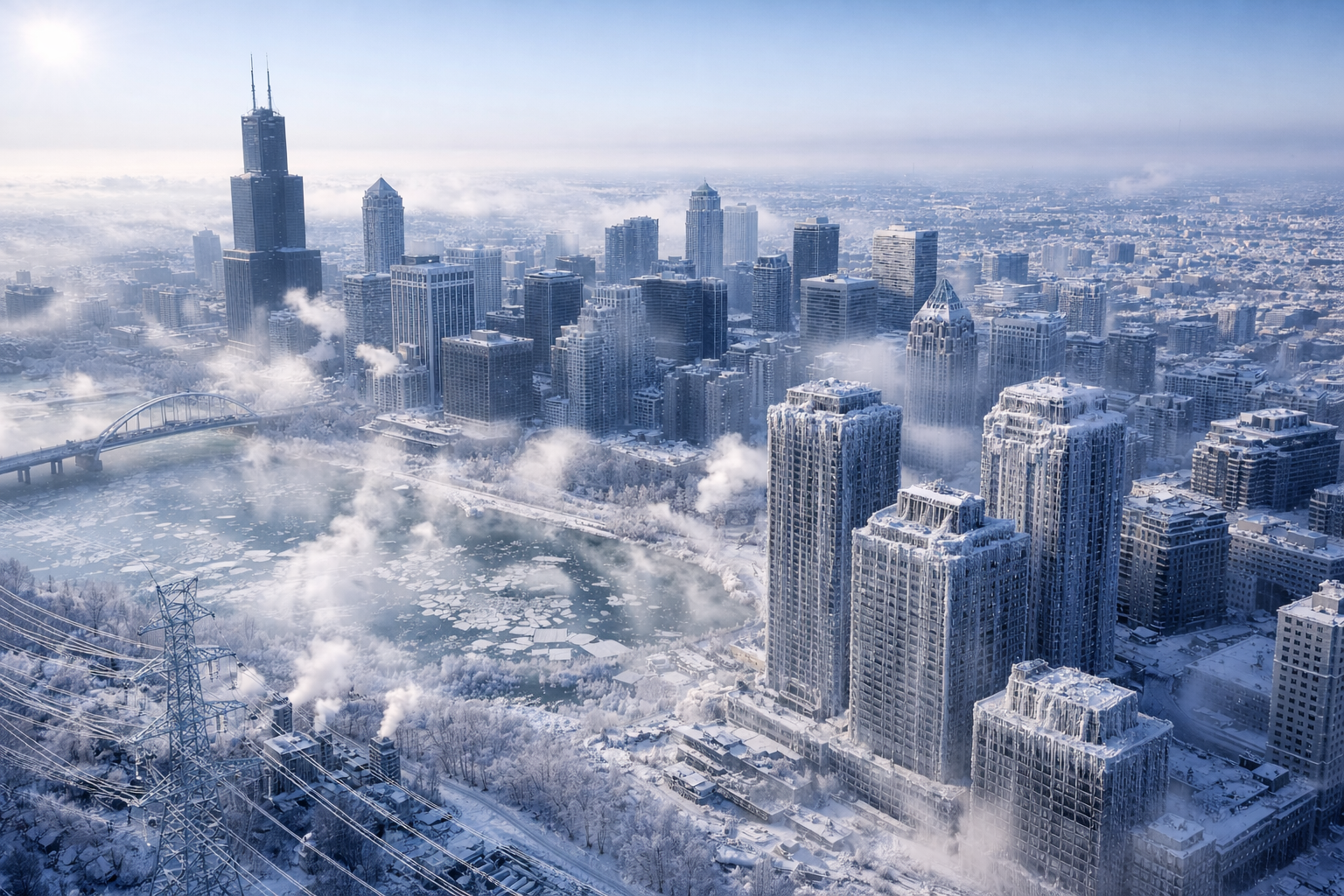
Across large portions of the United States, prolonged cold, heavy snow, and dangerous wind chills have arrived earlier, lasted longer, and pushed systems harder than many expected. These conditions don’t just inconvenience daily life — they place real strain on the energy infrastructure that keeps homes heated, businesses operating, and communities supplied with power.
A recent winter storm across the eastern U.S. highlighted just how challenging these conditions can be. More than one million homes and businesses lost power, while disruptions impacted roughly 12% of U.S. natural gas production at the same time demand was rising. When cold weather persists at this scale, energy systems are tested not just at the grid level, but at every connection point along the way.
At Catco, this is the environment we design for.
Cold Weather Is Where System Design Matters Most
Extreme cold doesn’t introduce new challenges — it exposes existing ones. When temperatures remain below normal for extended periods, energy systems face compounding pressure:
-
Electricity demand increases as heating loads surge
-
Natural gas systems are pushed to deliver consistent flow under peak conditions
-
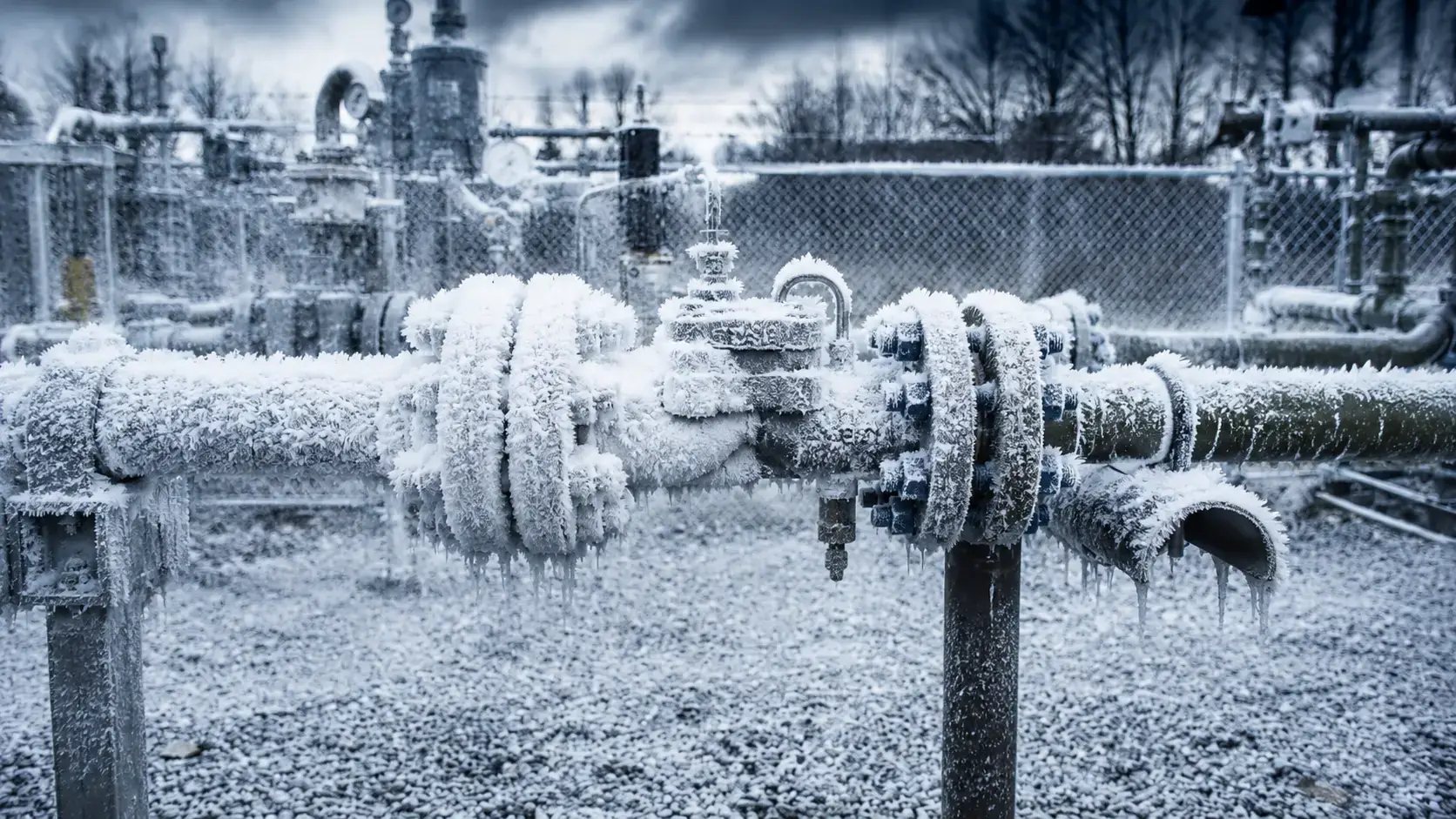
Equipment exposed to cold becomes more susceptible to freezing and performance loss
-
Small component failures can ripple into larger system disruptions
During the recent storm, PJM Interconnection LLC, which serves 67 million people from New Jersey to Chicago, issued a grid emergency as winter demand approached record levels. Reports from Bloomberg described the event as one of the longest sustained cold periods in decades — a reminder that today’s winters are not always short or predictable.
For Catco, these moments underscore why cold-weather reliability cannot be an afterthought. Energy systems don’t fail all at once — they begin to fail at the equipment level.
Where Catco Fits Into Energy Resilience
Power grids depend on natural gas systems that can perform reliably in extreme conditions. When gas flow is disrupted by freezing regulators, exposed instrumentation, or unprotected control components, the effects extend far beyond a single site.
Catco works in the space where energy reliability is protected before problems begin.
Our focus is on helping operators maintain consistent gas flow and system performance during prolonged cold — not by reacting to failures, but by preventing freeze-related issues at critical points in the system. Regulators, valves, and instrumentation are often the first components affected by extreme temperatures, and protecting them is essential to keeping energy systems stable when demand is highest.
This winter’s conditions reinforce a lesson we’ve learned over decades: resilience is built into equipment long before the cold arrives.
Designing for Winters That Don’t Follow the Rules
Winters like this one are becoming harder to predict. Cold snaps last longer. Weather patterns shift. Demand spikes unexpectedly. Energy systems must be able to operate reliably even when conditions don’t match historical averages.
Catco designs solutions for these exact scenarios — where prolonged cold, high demand, and system stress intersect. By focusing on freeze prevention and cold-weather performance at the equipment level, we help support the broader energy infrastructure when it is under the most pressure.
Because when the grid is stretched and conditions are at their worst, reliability isn’t about reacting faster — it’s about being prepared ahead of time.