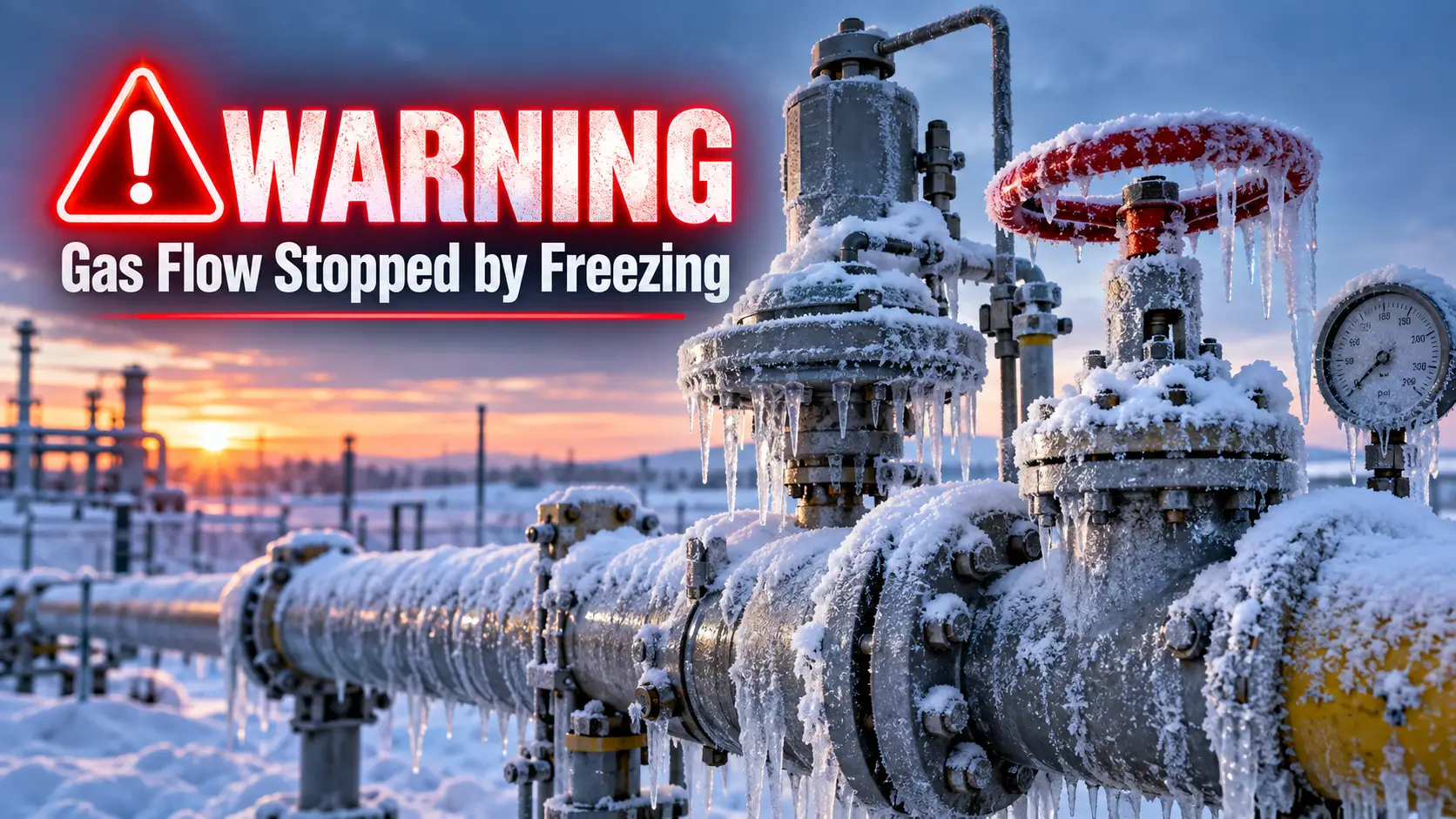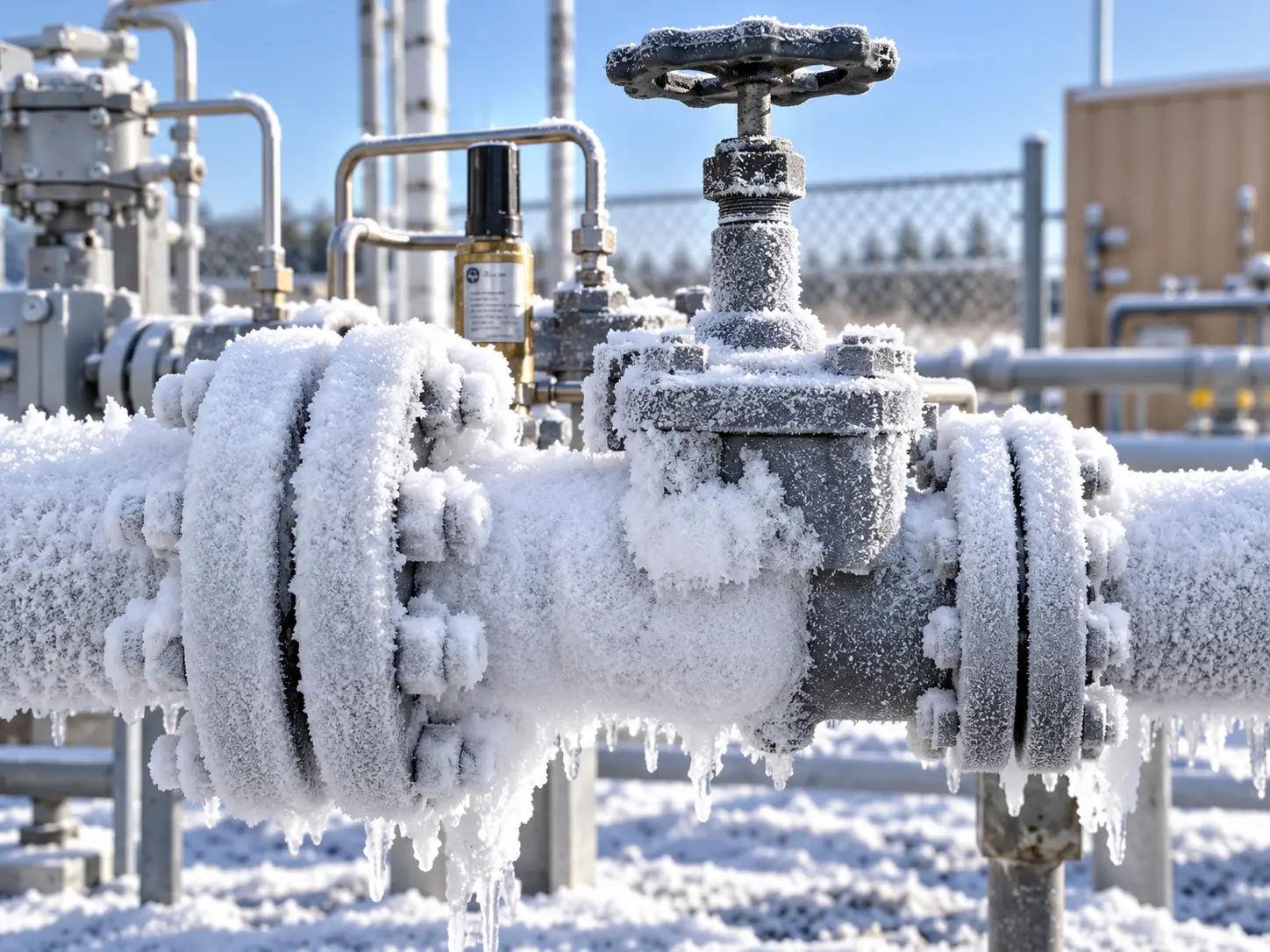

Cold weather has a way of exposing problems that were easy to ignore during warmer months. Pressure drops, moisture, aging components, and vulnerable equipment can quickly turn into freezing, reduced flow, or unexpected downtime once temperatures begin to fall.
At Catco, we recommend using a simple five-point checklist before the colder months arrive. The goal is not just to react to freezing after it happens, but to identify potential problems early and prepare your system before winter conditions make those problems harder to manage.
Cold weather can expose vulnerabilities that may go unnoticed during warmer months. Equipment that operated normally throughout the year may experience problems when low ambient temperatures, pressure reduction, moisture, and changing operating conditions occur together.
Preparing ahead of time allows operators to identify these risks while there is still time to take corrective action.
1. Ask the Right Questions
Start by looking at what happened last winter.
Ask yourself and your team:
- Did any equipment freeze or struggle during colder weather?
- Were there areas of the system that experienced unexpected temperature drops?
- Did regulators, valves, gauges, or other components fail?
- Were there locations where moisture or condensation became a problem?
- Did temperatures drop lower than expected?
- Were there recurring trouble spots that required emergency attention?
Past performance can be one of the best indicators of where future problems may occur.
The more information you gather now, the easier it becomes to determine where additional inspection, maintenance, spare parts, or freeze-prevention solutions may be needed.
2. Review the Weak Points in Your System
Once you understand what happened previously, physically walk through the system and identify areas that are more likely to experience freezing.
Pay close attention to locations where you have:
- High-to-low pressure drops
- Significant temperature drops
- Moisture or condensation
- Exposed piping or equipment
- Regulators and control valves
- Instrumentation
- Previous freezing problems
Pressure reduction can contribute to significant temperature drops within a gas system. When low temperatures combine with moisture, freezing can occur around sensitive components.
Identifying these areas before winter gives your team time to determine whether changes need to be made before harsh weather arrives.
3. Inspect the Equipment You Already Have
Do not focus only on the obvious weak points.
Equipment that performed properly last winter may still require attention this year.
Inspect your existing heaters, regulators, valves, filters, gauges, tubing, connections, and other accessories. Look for signs of:
- Wear
- Corrosion
- Damage
- Loose connections
- Blockages
- Aging components
- Reduced performance
A component does not have to be completely failed to become a problem.
Cold weather can place additional stress on equipment that is already beginning to deteriorate. Finding those issues during a planned inspection is much easier than discovering them during a freeze event.
4. Stock Small, Sensitive Parts
A large system can sometimes be brought down by a very small component.
After inspecting the major equipment, review the smaller accessories that help the system operate properly.
This can include components such as:
- Gauges
- Filters
- Valves
- Regulators
- Connections
- Tubing
- Thermocouples
- Other commonly replaced accessories
Consider keeping critical replacement parts available before winter begins.
During severe weather, replacing a small failed component can become difficult for two reasons: technicians may have limited access to the equipment, and replacement parts may take longer to arrive.
Having the right parts available ahead of time can help your maintenance team respond much faster.
5. Repair, Upgrade, or Overhaul Before Winter
After completing the first four steps, decide what needs to happen next.
Some equipment may only need basic maintenance. Other areas may require replacement components, additional freeze protection, or a larger system upgrade.
The important part is making those decisions before temperatures begin dropping.
If you identify an area that froze last year, has aging equipment, or experiences significant pressure and temperature changes, address it while conditions are still manageable.
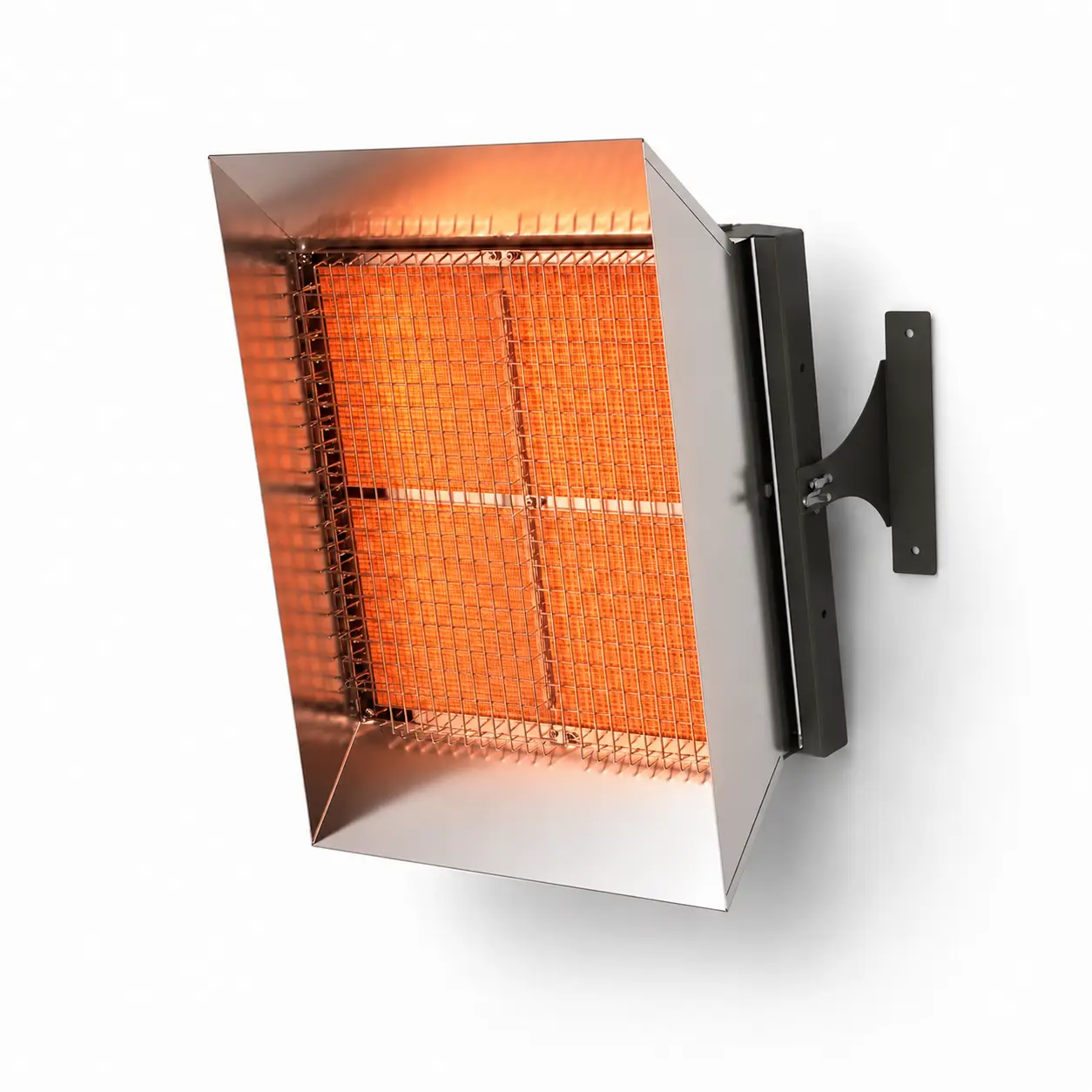
Depending on the application, that could mean repairing existing equipment, replacing worn components, improving gas conditioning, or adding a heating solution around freeze-sensitive equipment.
Make Your Winter Gas System Checklist Part of Preventive Maintenance
A winter gas system checklist does not have to lead to a complete system overhaul. The goal is to understand where problems are most likely to occur and address those areas before temperatures fall.
Ask questions. Review weak points. Inspect equipment. Stock critical parts. Repair or upgrade what needs attention.Taking these steps before colder weather arrives can help reduce unexpected freezing, equipment failures, emergency maintenance, and unnecessary downtime.
At Catco, our goal is to help operators and engineers identify freeze-prone applications and determine the right heating or gas-conditioning solution for their system.
If you are preparing your equipment for colder weather, explore our Catco Resources for additional technical information, product documentation, and application guidance.
Have a question about your equipment? Visit our Frequently Asked Questions section for additional information.
You can also explore the Catco Blog for more freeze-prevention, maintenance, and application information.
Preparing for colder weather? Contact Catco to discuss your application and determine where additional freeze protection may be needed.